


Showing 1 to 11 of 11 (1 Pages)
Buy Wine from Jean Marc Dreyer
Jean Marc Dreyer didn't just inherit vineyards in Rosheim; he inherited a story and the decision to tell it his way. Since 2003, when he took over the family estate, he has transformed his winemaking vision with radical clarity: maximum expression of the terroir, minimum human intervention. He learned from Patrick Meyer, a pioneer of natural wine, and since then his compass has always been absolute respect for the vine and the soil.
Rosheim as a manifesto The six hectares he cultivates - spread over some twenty plots - are planted on clay-limestone soils. Since 2003 he has been working according to biodynamic principles and in 2014 he obtained organic certification. This loyalty to the vineyard means gentle tillage, work on horseback, zero herbicides, and manual harvesting at dawn. At Jean Marc Dreyer, the wine begins in the vineyard and the winery only accompanies it.
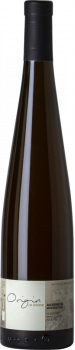
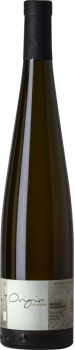
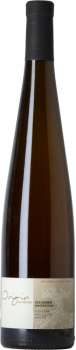
The subtle revolution of macerations Jean Marc Dreyer has found an unmistakable signature: its white macerations. In his "Origin" range, classic Alsatian varieties such as Riesling, Muscat, Gewürztraminer and Sylvaner are subjected to 10-20 days of skin contact, depending on the character of the vintage. The result: wines with texture, depth and a clarity that dismantles prejudices.
They are fermented in used foudres and barrels, without additives, filtration or fining. The aim is not extraction, but balance. They are lively wines, with a quiet energy, without make-up, showing a direct beauty.
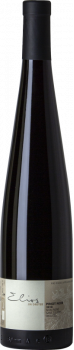
Reds with soul In Pinot Noir, Jean Marc Dreyer offers two expressions: Elios, juicier and more agile, and Anigma, more structured, matured in barrel with firm elegance. Both reflect his commitment to the essentials: precise fruit, precise ageing and purity of expression.
Beyond the varietal, the Jean Marc Dreyer emotion does not pursue varietal prominence or flashy labels. Each cuvée - such as Argitis, Brutus, Siggi or Tri-Aux - is born out of a desire to tell a different story. Some have notes of deliberate oxidation; others have an almost saline mineral freshness. All of them are based on the same principle: let the grape say what it has to say.
Limited production, global vision With around 20,000 bottles a year and an export rate of over 70%, their wines are discreetly circulating on the world's best tables. Not for marketing, but for authenticity. Japan, Scandinavia, Germany and the USA recognise in his work a unique voice in Alsace : someone who does not seek to please, but to move.
Wine as a listener To drink a Jean Marc Dreyer wine is to open a conversation with the place. He does not seek to impress, but to reveal. Each sip has something of stone, fruit, air and time. The intervention is minimal, but the emotion, maximum.
In a world of loud labels and fads, Jean Marc Dreyer offers something rarer: silence, precision and truth. His wines do not ask for applause; they offer encounter. And that is, perhaps, the purest form of greatness
- ;
- ;
- ;
- ;
- ;
- ;
Buy Wine from Jean Marc Dreyer
Jean Marc Dreyer didn't just inherit vineyards in Rosheim; he inherited a story and the decision to tell it his way. Since 2003, when he took over the family estate, he has transformed his winemaking vision with radical clarity: maximum expression of the terroir, minimum human intervention. He learned from Patrick Meyer, a pioneer of natural wine, and since then his compass has always been absolute respect for the vine and the soil.
Rosheim as a manifesto The six hectares he cultivates - spread over some twenty plots - are planted on clay-limestone soils. Since 2003 he has been working according to biodynamic principles and in 2014 he obtained organic certification. This loyalty to the vineyard means gentle tillage, work on horseback, zero herbicides, and manual harvesting at dawn. At Jean Marc Dreyer, the wine begins in the vineyard and the winery only accompanies it.
The subtle revolution of macerations Jean Marc Dreyer has found an unmistakable signature: its white macerations. In his "Origin" range, classic Alsatian varieties such as Riesling, Muscat, Gewürztraminer and Sylvaner are subjected to 10-20 days of skin contact, depending on the character of the vintage. The result: wines with texture, depth and a clarity that dismantles prejudices.
They are fermented in used foudres and barrels, without additives, filtration or fining. The aim is not extraction, but balance. They are lively wines, with a quiet energy, without make-up, showing a direct beauty.
Reds with soul In Pinot Noir, Jean Marc Dreyer offers two expressions: Elios, juicier and more agile, and Anigma, more structured, matured in barrel with firm elegance. Both reflect his commitment to the essentials: precise fruit, precise ageing and purity of expression.
Beyond the varietal, the Jean Marc Dreyer emotion does not pursue varietal prominence or flashy labels. Each cuvée - such as Argitis, Brutus, Siggi or Tri-Aux - is born out of a desire to tell a different story. Some have notes of deliberate oxidation; others have an almost saline mineral freshness. All of them are based on the same principle: let the grape say what it has to say.
Limited production, global vision With around 20,000 bottles a year and an export rate of over 70%, their wines are discreetly circulating on the world's best tables. Not for marketing, but for authenticity. Japan, Scandinavia, Germany and the USA recognise in his work a unique voice in Alsace : someone who does not seek to please, but to move.
Wine as a listener To drink a Jean Marc Dreyer wine is to open a conversation with the place. He does not seek to impress, but to reveal. Each sip has something of stone, fruit, air and time. The intervention is minimal, but the emotion, maximum.
In a world of loud labels and fads, Jean Marc Dreyer offers something rarer: silence, precision and truth. His wines do not ask for applause; they offer encounter. And that is, perhaps, the purest form of greatness